

Enrolling in a first aid or CPR training program is a valuable step toward becoming more prepared for emergencies. Whether you are a parent, employee, student, or someone who enjoys outdoor activities, learning these life-saving skills can make a significant difference. If you are considering joining a first aid course Noosa, it is helpful to understand what the experience involves, from enrollment to certification and beyond.
Understanding The Course Structure
When you sign up for training, you can expect a well-structured program designed to cover both theoretical knowledge and practical application. Most courses begin with basic concepts such as recognising emergencies, assessing situations, and understanding how to respond safely. As the course progresses, participants are introduced to essential skills like CPR techniques, wound care, and managing common medical conditions.
The structure is usually divided into classroom-based learning and hands-on practice. This combination guarantees that you will not only comprehend the ideas but also be able to confidently use them in practical settings.
Hands-On Training Experience
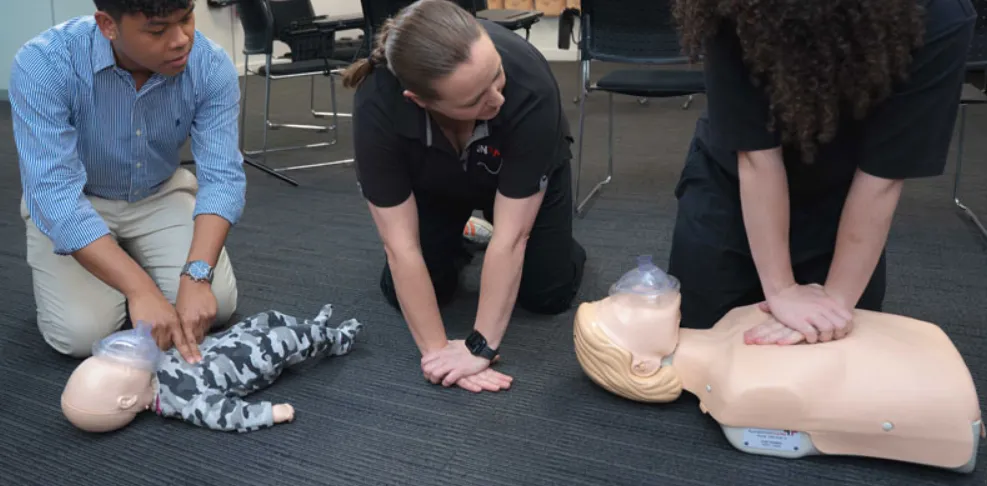
One of the most important aspects of training is the practical component. Participants learn how to operate automated external defibrillators, practice CPR on mannequins, and role-play actual emergency situations during the workshops. This practical method fosters confidence and muscle memory.
In first aid and CPR courses Noosa, instructors often create realistic situations to prepare learners for actual emergencies. This immersive style of teaching allows individuals to experience what it feels like to respond under pressure, which is crucial for effective action in real life.
Qualified And Supportive Instructors
Another key element you can expect is guidance from experienced and certified instructors. These professionals bring real-world insights into the classroom, making the training more engaging and informative. They also ensure that each participant understands the techniques correctly and feels comfortable asking questions.
Good instructors focus not only on teaching but also on building confidence. They provide feedback, correct mistakes, and encourage learners to practice until they feel capable of handling emergency situations independently.
Flexible Learning Options
Modern training programs often offer flexible learning formats to suit different schedules. Depending on your availability, you may choose between full-day sessions, weekend classes, or blended learning options that combine online modules with in-person training.
Some learners also explore options like a National first aid course in North Lakes when looking for additional or alternative training opportunities. This flexibility allows individuals to select a course that fits their routine while still receiving a comprehensive education.
Certification And Accreditation
Participants who successfully complete the course are awarded a certification that is accepted in many different sectors. This certification is often valid for a specific period, after which a refresher course may be required to maintain your skills and knowledge.
The certification process typically involves both written assessments and practical demonstrations. This ensures that every participant meets the required standards and is capable of responding effectively in emergencies.
Real Life Applications Of Skills
The opportunity to apply these skills in daily life is one of the most satisfying parts of taking a first aid and CPR training. Whether it is helping someone who is injured, responding to a sudden medical emergency, or providing assistance in a public setting, the knowledge gained from training can have a direct impact.
Participants often report feeling more confident and prepared after completing the course. This confidence extends beyond emergencies and contributes to a greater sense of responsibility and awareness in daily life.
Building Confidence And Awareness
Beyond technical skills, these courses help develop a proactive mindset. Students get greater awareness of possible hazards and are better able to avert mishaps before they occur. This increased awareness is especially beneficial in environments such as workplaces, schools, and homes.
The training also encourages teamwork and communication, as participants often work together during practice scenarios. These soft skills are equally as crucial as the technical components of CPR and first aid.
Conclusion
Enrolling in a first aid and CPR course is more than just gaining a certificate. It is an investment in your ability to protect yourself and others in critical situations. From structured learning and hands-on practice to expert guidance and real-life applications, the experience is both practical and empowering. Knowing what to anticipate can help you approach the training with confidence and maximise each session. Ultimately, these courses equip you with the knowledge and skills needed to respond effectively when it matters most.