

Organizations cannot rely solely on resumes and interviews to identify the right talent. Companies are increasingly turning to improving recruitment accuracy with pre-employment assessment tests to make smarter hiring decisions. These assessments provide objective insights into a candidate’s skills, abilities, and potential, helping employers select candidates who are truly fit for the role.
Alongside this, streamlining candidate evaluation through pre-employment screening tests helps HR teams efficiently screen large applicant pools. By automating parts of the evaluation process, organizations can save time, reduce bias, and focus on candidates who demonstrate real potential. Together, skill gap analysis and pre-employment assessments create a data-driven foundation for better hiring decisions.
Understanding Skill Gap Analysis
Skill gap analysis is the process of identifying the difference between the skills an organization needs and the skills candidates currently possess. Conducting this analysis ensures that new hires can meet job requirements and contribute to business goals.
A thorough skill gap analysis can help HR teams:
- Identify missing skills in the current workforce
- Determine the competencies needed for specific roles
- Prioritize training or development initiatives for new hires
By understanding skill gaps early, companies can focus on candidates who not only meet the current role requirements but also have the potential to grow with the organization.
The Role of Candidate Assessment Tests
Candidate assessment tests evaluate a person’s abilities, cognitive skills, and suitability for specific job roles. These tests can cover areas such as:
- Technical skills and domain knowledge
- Logical reasoning and analytical thinking
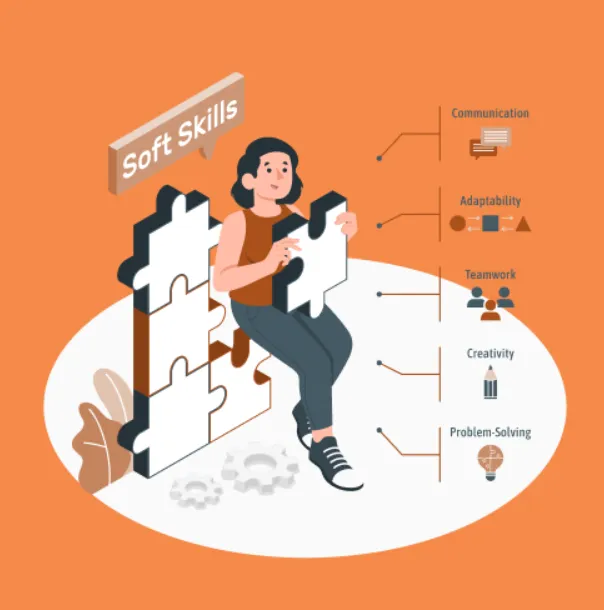
- Communication and interpersonal skills
- Problem-solving and decision-making abilities
Using these assessments, organizations gain measurable insights that go beyond what a resume or interview can provide. They help predict future performance and cultural fit, reducing the risk of hiring the wrong candidate.
Benefits of Pre-Employment Assessment
1. Improving Recruitment Accuracy
Pre-employment assessments ensure that candidates possess the skills required for the role. By usingpre employment assessment tests, HR teams can evaluate multiple competencies at once, making hiring decisions more precise and reliable.
2. Streamlining Candidate Evaluation
Screening hundreds of applications manually can be time-consuming.Pre employment screening tests automate initial evaluations, helping recruiters quickly identify top talent. This allows HR teams to focus their attention on candidates most likely to succeed.
3. Reducing Bias in Hiring
Human biases in interviews can lead to unfair assessments. Standardized tests provide an objective way to evaluate candidates, ensuring fair comparisons and reducing the impact of unconscious biases.
4. Predicting Job Performance
Candidates who perform well on assessment tests tend to have the skills and mindset needed for success. These evaluations offer a reliable predictor of future performance, which can improve employee retention and productivity.
Implementing a Successful Assessment Strategy
To make the most of skill gap analysis and assessment tests, organizations should follow these best practices:
1. Define Job Requirements Clearly
Identify the skills, knowledge, and attributes needed for each role. This ensures that assessment tests are tailored to evaluate the right competencies.
2. Choose the Right Assessment Tools
Select tests that are reliable, validated, and relevant to the role. Tools should cover both technical skills and soft skills to get a comprehensive view of the candidate.
3. Combine Assessments with Interviews
While tests provide objective data, interviews help evaluate cultural fit and interpersonal skills. Using both methods together offers a holistic approach to hiring.
4. Analyze Results and Adjust
Review assessment outcomes regularly to refine tests and evaluation criteria. Continuous improvement ensures that assessments remain relevant and effective.
Overcoming Challenges
Some organizations may face challenges when implementing pre-employment assessments, such as candidate resistance or adapting tests for remote hiring. These challenges can be addressed by:
- Communicating the purpose of assessments clearly to candidates
- Providing practice tests to familiarize applicants with the format
- Using online platforms that allow remote, secure test-taking
By addressing these challenges proactively, organizations can ensure a smooth assessment process that benefits both HR teams and candidates.
Long-Term Impact on Hiring
Using skill gap analysis and pre-employment assessments has lasting benefits for organizations:
- Higher quality hires with the right skills and potential
- Reduced turnover due to better job fit
- More efficient recruitment cycles, saving time and resources
- Stronger workforce aligned with business goals
Over time, these strategies contribute to building a skilled, motivated, and productive team that drives organizational success.
Conclusion
Skill gap analysis and candidate assessment tests are essential tools for smarter hiring. By improving recruitment accuracy with pre-employment assessment tests and streamlining candidate evaluation through pre-employment screening tests, organizations can make data-driven decisions, reduce bias, and select candidates who are the best fit for the role. Implementing these strategies leads to higher-quality hires, better workforce alignment, and more efficient recruitment processes, ultimately strengthening business performance.