

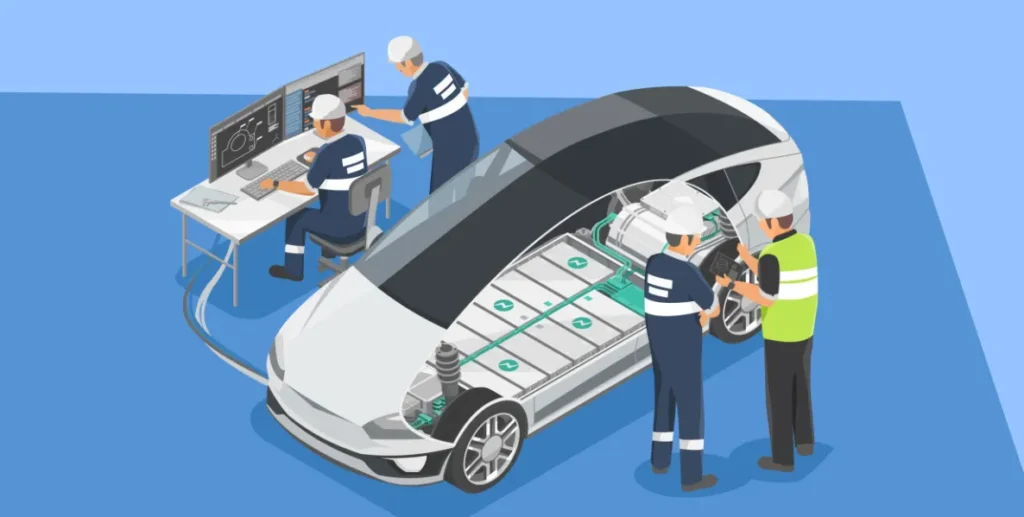
The shift toward sustainable transportation is accelerating, with Electric (eléctricos) vehicles becoming a major focus in the automotive industry. From advancements in battery technology to innovations in charging infrastructure, electric mobility is transforming how people drive and think about transportation. Staying informed on the latest developments helps enthusiasts, consumers, and professionals understand the evolving landscape of sustainable mobility.
Why Are Electric Vehicles (EVs) Growing in Popularity?
EVs are gaining traction due to environmental concerns, government incentives, and technological improvements. Coverage explains how zero-emission vehicles reduce carbon footprints, lower running costs, and offer modern features that appeal to both private and commercial users. Understanding the factors driving EV adoption helps readers anticipate the future of transportation.
How Are Battery Technologies Advancing?
Battery innovation is central to the success of electric vehicles. Developments in lithium-ion, solid-state, and other next-generation batteries improve energy density, reduce charging times, and extend vehicle range. Analysis of battery technology helps consumers evaluate efficiency, longevity, and overall performance of modern EVs.
Can Charging Infrastructure Keep Up with Growth?
Charging networks are critical for electric mobility adoption. Coverage examines public and private charging stations, fast-charging technology, and home charging solutions. Insights into infrastructure development help readers understand convenience, accessibility, and potential challenges for long-distance travel in EVs.
How Are EV Performance and Driving Experience Evaluated?
Performance evaluation includes acceleration, handling, braking, and energy efficiency. Modern electric vehicles often deliver instant torque, smooth power delivery, and low noise levels. Understanding how EVs perform compared to traditional internal combustion vehicles helps consumers make informed purchasing decisions.
How Are Range and Efficiency Measured?
Range is one of the most important considerations for electric vehicles. Analysis explains how driving style, temperature, terrain, and battery management systems influence range. Efficiency metrics, including energy consumption per mile or kilometer, provide practical guidance for planning daily usage and long trips.
How Are Electric Vehicles Integrated into Sustainable Mobility?
EVs are part of a broader movement toward sustainable mobility, including public transit, shared vehicles, and micro-mobility solutions. Coverage highlights how electric vehicles reduce emissions, improve air quality, and complement urban mobility strategies, supporting long-term environmental goals.
Can Incentives and Policies Encourage EV Adoption?
Government incentives, tax credits, and regulatory mandates accelerate the adoption of electric vehicles. Analysis explains how policy initiatives affect consumer choices, manufacturer strategies, and overall market growth. Understanding these incentives allows buyers to maximize benefits and make informed decisions.
How Are Safety Features in Electric Vehicles Reviewed?
Safety remains a priority in EV design. Coverage evaluates crash-test performance, battery safety measures, and active safety systems. Readers learn how EV manufacturers ensure both occupant protection and the reliability of high-voltage systems under various conditions.
How Are Electric Vehicle Models Compared?
Comparative analysis evaluates range, performance, pricing, technology, and usability. Readers gain insight into which models best suit their lifestyle and budget. These comparisons provide clarity on strengths and weaknesses, enabling informed choices among the growing number of EV options.
How Are Charging Solutions for Home and Public Use Assessed?
Charging convenience is key to the electric driving experience. Coverage analyzes home chargers, workplace charging, and public fast chargers. Readers learn about installation, compatibility, cost, and efficiency, ensuring seamless integration of EVs into daily routines.
How Are Electric Vehicle Costs and Total Ownership Evaluated?
Total ownership costs include purchase price, electricity expenses, maintenance, and insurance. Expert analysis helps buyers understand long-term financial implications, making it easier to compare EVs with traditional vehicles and assess overall value.
How Are Technological Innovations Highlighted?
Innovations such as regenerative braking, smart battery management, AI-assisted energy optimization, and over-the-air software updates are explored. Coverage explains how these technologies enhance efficiency, safety, and convenience for EV owners.
How Are Sustainability and Environmental Impact Measured?
Analysis covers lifecycle emissions, resource sourcing, and recycling practices. Understanding these factors helps readers make environmentally conscious decisions and appreciate the broader impact of electric mobility beyond tailpipe emissions.
How Are Vehicle Design and User Experience Evaluated?
EV design focuses on aerodynamics, interior layout, and user-friendly interfaces. Coverage explores how manufacturers optimize space, comfort, and technology integration to create enjoyable driving experiences. Readers understand the balance between style, practicality, and innovation.
Can Electric Vehicles Support Fleet and Commercial Applications?
EV adoption is expanding into commercial fleets, delivery services, and ride-sharing operations. Analysis examines operational costs, range requirements, charging infrastructure, and reliability. Businesses can assess efficiency, savings, and sustainability benefits when considering fleet electrification.
How Are Market Trends and Global Adoption Monitored?
Coverage tracks regional differences in adoption rates, government policies, and consumer preferences. Global analysis helps readers understand where EV markets are growing fastest, which technologies are being embraced, and how international trends shape the automotive industry.
How Are Concept EVs and Future Developments Covered?
Concept vehicles and prototype EVs demonstrate future design directions, battery innovations, and autonomous capabilities. Analysis provides insight into potential developments, allowing readers to anticipate technological advancements and understand the trajectory of electric mobility.
How Are Charging and Energy Management Systems Compared?
Battery efficiency and energy management systems are critical for EV usability. Coverage evaluates smart charging, energy recovery, and thermal management solutions. Readers gain insight into how these systems improve performance, extend battery life, and optimize energy usage.
How Are EV Performance Metrics Assessed in Real Conditions?
Performance is measured in acceleration, handling, braking, and energy efficiency under real-world conditions. Coverage considers weather, terrain, driving behavior, and traffic patterns to provide practical insights for everyday driving and long-distance travel.
How Are Consumer Experiences and Feedback Incorporated?
Owner feedback on reliability, comfort, charging convenience, and usability informs expert analysis. Readers benefit from insights grounded in real-life experiences, enhancing understanding of EV performance, maintenance requirements, and overall satisfaction.
How Are Electric Vehicle Ecosystems Evaluated?
EVs are part of an ecosystem including home energy solutions, public infrastructure, and smart grids. Coverage explains integration with renewable energy, solar charging, and vehicle-to-grid systems. Readers learn how EVs can support broader sustainable energy initiatives.
How Are Autonomous and Connected Features Integrated?
Advanced electric vehicles often include autonomous driving capabilities, connected car features, and AI-based assistance systems. Analysis examines functionality, safety, and practicality. Consumers gain insight into how these technologies enhance driving, convenience, and safety.
How Are Battery Recycling and Sustainability Efforts Covered?
Battery disposal and recycling are essential for environmental sustainability. Coverage highlights recycling initiatives, second-life battery applications, and efforts to reduce resource consumption. Readers understand how EV adoption aligns with broader ecological objectives.
How Are Emerging EV Technologies Forecasted?
Analysis examines trends in solid-state batteries, ultra-fast charging, wireless charging, and vehicle-to-grid integration. Understanding these emerging technologies allows readers to anticipate improvements in range, convenience, and environmental benefits in future electric vehicles.
How Are EV Charging Networks Compared Globally?
Coverage evaluates accessibility, reliability, and speed of charging networks in different regions. Readers gain insight into how network development impacts EV usability and adoption, especially for long-distance travel or fleet operations. In situations where relocating vehicles across regions is necessary, transport logistics also become an important consideration. Services such as https://www.shiply.com/us/car-shipping/texas-car-shipping/el-paso-car-shipping
can assist with coordinating vehicle movement alongside broader mobility needs.
How Are Performance-Oriented Electric Vehicles Assessed?
High-performance EVs are evaluated for acceleration, handling, battery efficiency, and thermal management. Coverage highlights engineering solutions that deliver thrilling driving experiences without compromising safety or sustainability.
How Are EV Regulations and Policies Explained?
Regulatory frameworks influence vehicle design, production, and adoption. Coverage explains emission standards, incentive programs, and urban mobility policies. Readers understand how government measures affect market growth, consumer choices, and technological innovation.
How Are Long-Term Reliability and Maintenance Forecasted?
Battery longevity, software updates, and electric drivetrain reliability are analyzed. Coverage helps readers anticipate maintenance requirements, potential costs, and vehicle lifespan, providing a realistic perspective for long-term ownership.
How Are Electric Mobility Trends Influencing Traditional Vehicles?
EV advancements impact conventional vehicles through hybrid technology, energy efficiency standards, and regenerative braking. Analysis explains how innovations in the electric sector are shaping design, performance, and sustainability in broader automotive markets.
Conclusion: Why Follow Electric Vehicle Developments?
Tracking electric vehicle developments provides insights into sustainable mobility, technological innovation, and market trends. Readers benefit from understanding battery technology, charging infrastructure, vehicle performance, and environmental impact. Staying informed about electric vehicles ensures enthusiasts, buyers, and industry professionals can make educated decisions, appreciate innovation, and participate in the shift toward a cleaner, more efficient future of transportation.