

Starting a business in India doesn’t always require a hefty initial investment. With strategic planning and a focus on essential resources, aspiring entrepreneurs can launch successful ventures even with limited capital. This step-by-step guide will walk you through the process of establishing a low-investment business in the vibrant Indian market, empowering you to turn your ideas into reality.
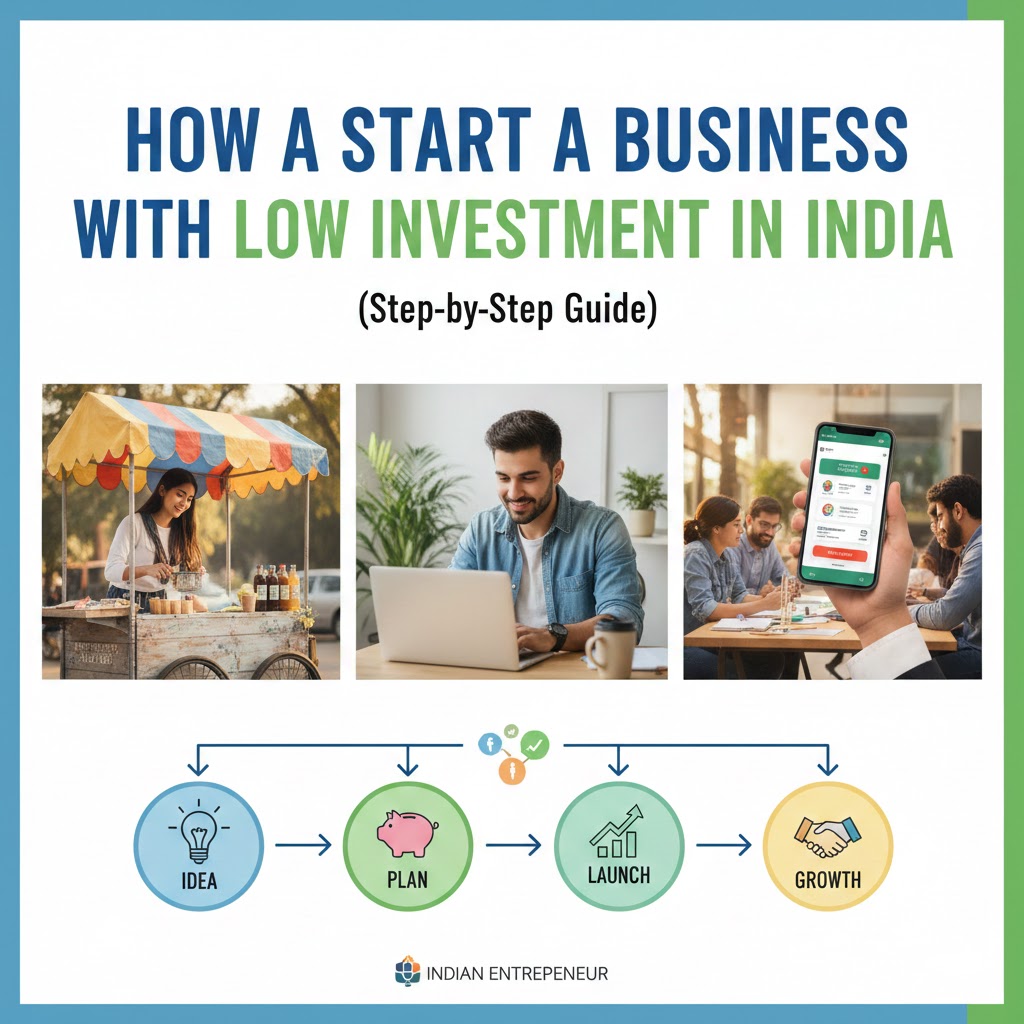
Start Low Investment Business India
India presents a unique landscape for budding entrepreneurs, offering diverse opportunities to start a business with minimal capital. The key lies in identifying market gaps and leveraging existing skills or readily available resources. Focus on a lean model to minimize overheads.
Embracing a low-investment approach means prioritizing digital tools, local sourcing, and a strong value proposition. This method allows for quicker market entry and agility, enabling you to adapt and grow without significant financial risk.
Find Low Investment Business Ideas
The first step is to brainstorm business ideas that align with your skills, passions, and market demand, requiring minimal upfront cost. Look for solutions to everyday problems or services that can be delivered efficiently online or locally. Think about what unique value you can offer.
Consider businesses with low inventory needs or service-based models, which significantly reduce initial financial burdens. Digital ventures often fit this criterion perfectly, requiring little more than a computer and internet access.
- Online Tutoring/Coaching
- Social Media Management
- Dropshipping E-commerce
- Content Writing/Editing
- Homemade Food Delivery
Plan Your Low Investment Business
Even with low investment, a concise business plan is crucial. Outline your business concept, target audience, and how you will generate revenue. Focus on a lean canvas model, highlighting key partners, activities, and value propositions.
Financial planning should prioritize bootstrapping and minimizing fixed costs. Identify your absolute essential expenses and seek ways to operate efficiently. A well-defined plan helps in navigating challenges and staying focused on growth.
- Define Niche Market
- Outline Service/Product
- Create Basic Budget
- Identify Revenue Streams
- Set SMART Goals
Legal Steps for India Business
To operate legally in India, certain foundational steps are necessary, even for a low-investment business. Start by choosing the right legal structure, such as a Sole Proprietorship or One Person Company (OPC), which are relatively simple and cost-effective to register.
Secure a PAN card and open a dedicated bank account for your business. Depending on your business type and turnover, you might need GST registration. Consult with a professional to ensure compliance without overspending on legal formalities.
- Obtain PAN Card
- Open Business Bank Account
- Register for GST (if applicable)
- Choose Legal Entity
- Secure Basic Licenses
Marketing Your Low Investment Business
Effective marketing doesn’t require a large budget, especially for a low-investment business in India. Leverage digital platforms like social media, free business listings, and WhatsApp marketing to reach your target audience. Focus on creating valuable content that resonates.
Word-of-mouth marketing, local partnerships, and strong customer service are invaluable. Encourage reviews and testimonials to build trust and credibility without significant financial outlay. Consistent online presence is key.
FAQs:
Q1: Can I start a business with zero investment?
A1: While truly zero investment is rare, many online service businesses can start with very minimal capital, often just a computer and internet connection.
Q2: What licenses are essential for small businesses in India?
A2: A PAN card, bank account, and potentially GST registration are common. Specific licenses depend on your business type and local regulations.
Starting a business with low investment in India is an achievable dream with the right mindset and strategic execution. By focusing on smart ideas, lean planning, essential legal steps, and cost-effective marketing, you can build a sustainable venture. Embrace the journey, learn continuously, and watch your business flourish without the burden of heavy initial capital.