

Managing money today often means juggling multiple apps, accounts, and platforms. One app for banking, another for cards, a separate wallet for cryptocurrency, and additional services for international transfers can quickly become overwhelming. Modern users want simplicity, speed, and flexibility — all within one secure ecosystem.
That is exactly why integrated fintech platforms are becoming increasingly popular. Services like Blackcat combine traditional banking tools with crypto functionality, giving users a single place to manage both fiat and digital assets. From IBAN accounts and payment cards to SEPA transfers and crypto wallets, everything works together inside one mobile application.
One Platform for Everyday Finance
Traditional banking systems were not designed for the digital economy. Users often need different services for daily spending, online payments, savings, and crypto transactions. This fragmented experience creates unnecessary complexity.
Modern fintech solutions solve this issue by bringing all financial tools into one ecosystem. Instead of switching between apps, users can send money, manage cards, receive salaries, pay bills, and monitor crypto holdings from a single dashboard.
This unified approach is especially useful for freelancers, remote workers, travelers, and crypto users who regularly move funds between digital and traditional currencies. Having both fiat and crypto accounts connected in one app improves convenience and makes financial management far more efficient.
IBAN Accounts and Seamless SEPA Transfers
One of the key features modern fintech apps provide is a personal European IBAN account. With an IBAN, users can receive salaries, freelance payments, or personal transfers directly into their account. They can also make SEPA transfers across Europe quickly and efficiently.
SEPA transfers remain one of the most important tools for digital banking within Europe because they allow fast euro payments between participating countries. Instead of relying on outdated banking systems with high fees and slow processing times, fintech apps simplify international transfers through mobile-first technology.
Users can send money to friends, businesses, or other bank accounts in just a few taps. Many fintech services also offer free or low-cost internal transfers between users, making peer-to-peer payments easier than ever.
Smart Payment Cards for Daily Spending
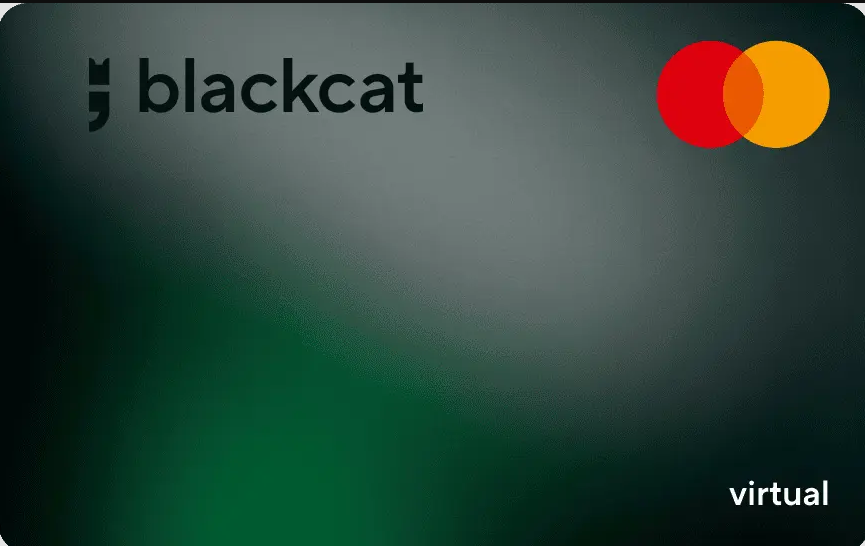
Digital banking is not complete without payment cards. Modern fintech platforms offer both virtual and physical cards connected directly to user accounts. These cards can be used for online shopping, subscriptions, ATM withdrawals, and in-store purchases worldwide.
Virtual cards are especially useful for secure online payments because users can access them instantly after registration. Physical cards provide flexibility for travel and everyday purchases while maintaining full control through the mobile app.
Advanced security features such as 3D Secure authentication and instant spending notifications add another layer of protection. Users can manage limits, freeze cards, or monitor transactions in real time directly from their smartphones.
This level of control makes digital banking more transparent and user-friendly compared to traditional financial institutions.
Managing Fiat and Crypto Together
Perhaps the most exciting innovation in fintech is the integration of cryptocurrency services into traditional banking platforms. Instead of keeping crypto in separate exchanges or wallets, users can now manage digital assets alongside their regular money accounts.
Multi-wallet systems allow users to organize finances by purpose or asset type. For example, one wallet can be used for savings, another for daily spending, and additional wallets for cryptocurrencies such as Bitcoin or Ethereum.
This structure gives users greater financial clarity and flexibility. Rather than navigating between multiple platforms, all balances remain accessible inside one application.
Integrated crypto functionality also simplifies the conversion between digital assets and euros. Users can transfer funds between crypto wallets and fiat accounts without relying on third-party services or complicated exchange processes.
As cryptocurrency adoption continues to grow, this seamless bridge between traditional finance and blockchain technology becomes increasingly valuable.
Better Financial Organization Through Multi-Wallet Features
One major advantage of modern fintech apps is the ability to create multiple wallets inside one account. This feature helps users organize finances more effectively.
For example, users can separate travel budgets, savings goals, freelance income, or subscription expenses into dedicated wallets. Crypto assets can also remain separated by currency for easier tracking and management.
This level of customization creates a more structured approach to money management. Instead of one large balance with unclear spending habits, users gain better visibility over their finances.
The ability to assign specific cards or spending limits to individual wallets also improves budgeting and financial discipline. Whether for personal use or business purposes, multi-wallet systems provide flexibility that traditional banks rarely offer.
Mobile Banking Designed for Modern Users
Today’s consumers expect banking services to be mobile, fast, and accessible at all times. Fintech apps are designed with this expectation in mind.
Opening an account typically takes only a few minutes, with digital verification processes replacing lengthy paperwork and branch visits. Users can immediately access virtual cards, transfer funds, and manage accounts directly from their smartphones.
Real-time notifications, instant balance updates, and intuitive interfaces improve the overall user experience. Instead of outdated banking systems, fintech platforms focus on speed, convenience, and transparency.
This mobile-first approach is particularly attractive to younger generations who prefer digital solutions over traditional banking methods.
Security and Reliability Matter
As digital finance evolves, security remains one of the biggest concerns for users. Reputable fintech platforms invest heavily in protecting funds, transactions, and personal data.
Features such as encrypted transactions, PCI DSS compliance, fraud prevention systems, and multi-factor authentication help ensure safe payments and secure account management.
Users also benefit from centralized control. Instead of spreading sensitive financial information across multiple apps and services, everything is managed securely within one platform.
For crypto users, integrated systems reduce the risks associated with transferring funds between exchanges and external wallets, creating a smoother and safer experience overall.
The Future of Financial Services
The financial industry is moving toward integrated ecosystems where banking, payments, and crypto services work together seamlessly. Consumers no longer want isolated financial products — they want one platform capable of handling every aspect of modern money management.
Fintech applications that combine IBAN accounts, payment cards, SEPA transfers, and crypto wallets are leading this transformation. They offer greater convenience, faster transactions, improved organization, and better flexibility for users living in an increasingly digital economy.
As digital assets continue to enter mainstream finance, the demand for unified multi-wallet solutions will only grow. Platforms like Blackcat Cards demonstrate how fintech innovation can simplify financial life by bringing fiat and crypto together into one intelligent, mobile-first experience.
FAQs
1. What is a multi-wallet fintech app?
A multi-wallet fintech app is a digital financial platform that allows users to manage different types of accounts and assets in one place. This can include fiat money, crypto wallets, payment cards, and IBAN accounts within a single mobile application.
2. How do SEPA transfers work?
SEPA (Single Euro Payments Area) transfers allow users to send and receive euro payments across European countries quickly and securely. They are commonly used for salary payments, online banking transfers, and international euro transactions.
3. Can I manage cryptocurrency and regular money in the same app?
Yes. Modern fintech platforms combine crypto wallets with traditional banking features, allowing users to store, transfer, and manage both fiat currencies and cryptocurrencies from one dashboard.
4. Are virtual payment cards secure?
Virtual cards are designed with advanced security features such as instant transaction notifications, 3D Secure authentication, and the ability to freeze or manage cards directly through the app, making online payments safer and more convenient.
5. Why are fintech apps becoming more popular than traditional banks?
Fintech apps offer faster account setup, mobile-first convenience, lower fees, real-time transaction management, and integrated services like crypto wallets and digital payments, which many traditional banks still lack.